If your thinking feels slower than it used to — like there's a haze between you and the thought you're reaching for — you are not imagining it, and you are far from alone. Millions of adults describe the same thing: words that won't surface, focus that slips, a mind that feels one step behind all day.
It gets brushed off as "just stress" or "getting older." But brain fog isn't a personality trait, and it isn't something you simply have to accept. It's a signal — and understanding what's behind it is the first step toward feeling sharp again.
→ Already know the basics? See what's inside the formula we found
What It Actually Is
Brain fog isn't a diagnosis — it's a symptom
"Brain fog" isn't a condition in itself. It's an everyday word for a cluster of experiences: trouble concentrating, mental fatigue, slower recall, a general cloudiness. Because it's a symptom rather than a disease, it usually points back to how the brain is being fueled, rested, and used. Three quiet drivers stack up more often than people realize:
Broken sleep
The brain clears waste and locks in memory overnight. Short or fragmented sleep leaves it running on a deficit.
Chronic stress
Sustained stress hormones make sustained attention genuinely harder, day after day.
Nutritional gaps
The brain is metabolically demanding. Shortfalls in key nutrients show up as low mental energy.
The frustrating part: most people are already doing several "right" things — and still feel foggy. That's usually a sign the basics aren't quite enough on their own.
Why The Usual Advice Falls Short
"Just sleep more" is true — and rarely sufficient
Sleep, water, movement, and a calmer schedule all genuinely help, and they're the right foundation. But for a lot of busy adults those levers are maxed out or impossible to fully control. You can't always sleep nine hours or delete your stress. So the real question becomes: is there a way to support mental energy and focus on top of the basics?
The Shift
The rise of targeted brain support
Over the past few years, more people have started looking at nootropic ingredients — nutrients and plant-based compounds studied for their role in focus, memory, and mental clarity. The idea isn't a magic pill; it's giving the brain better raw materials to do its job, the way you'd support any other hard-working system in the body. The category has gotten crowded, so it's worth knowing what separates a serious formula from a gimmick.
One Option People Are Talking About
Where NeuroXen fits in
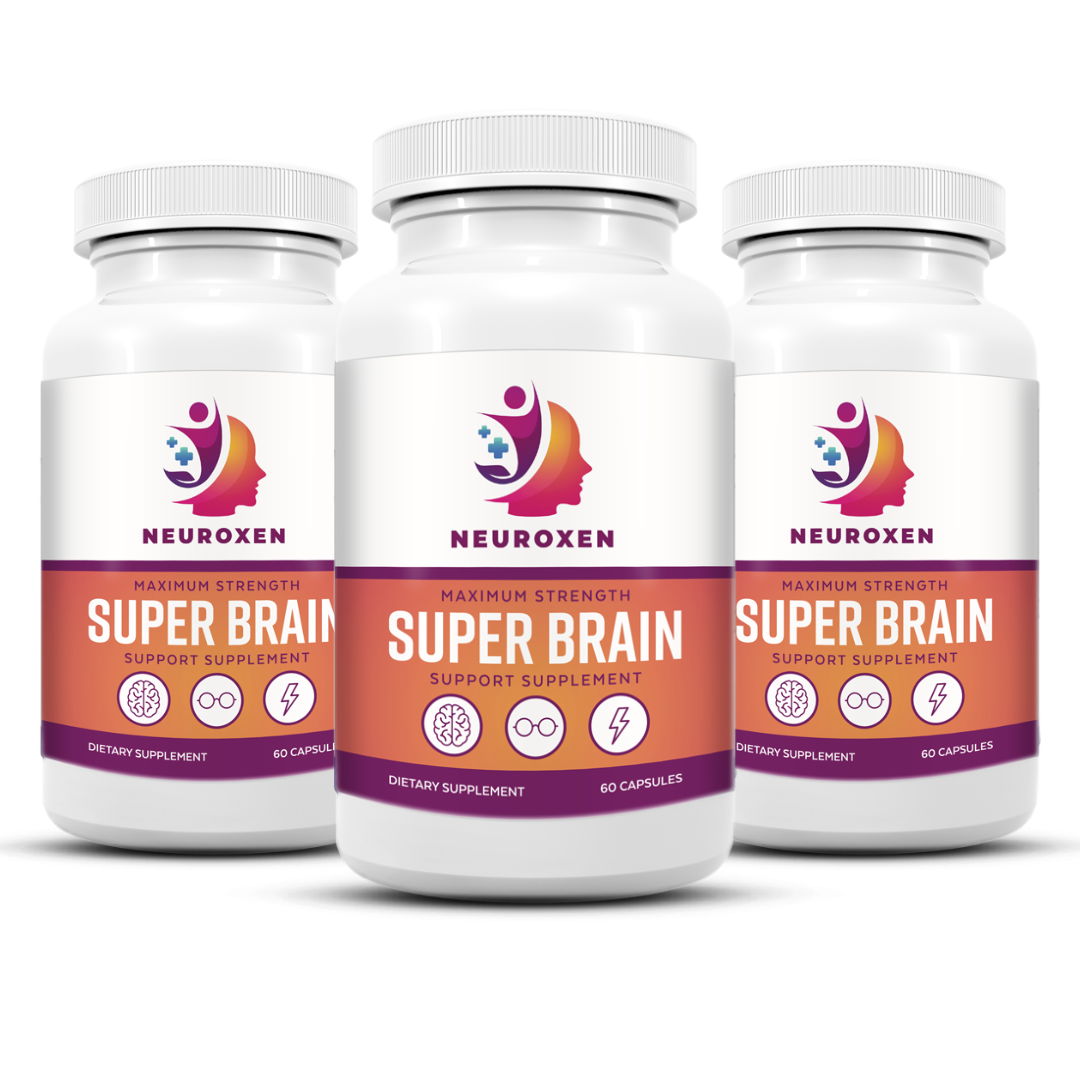
One formula that comes up in this space is NeuroXen, a stimulant-free daily supplement built around natural nootropic ingredients — including Bacopa Monnieri, Ginkgo Biloba, Phosphatidylserine, and Huperzine A — formulated to support focus, mental clarity, and everyday memory.
60-day money-back guarantee — made in a GMP-certified, FDA-registered facility.
See How NeuroXen Works → You'll be taken to the official product page